
TL;DR: Columbus, Ohio sits in USDA Hardiness Zone 6a, making cool-season grasses like Kentucky Bluegrass and Tall Fescue the go-to choices for local lawns. Success comes down to timing—mowing, fertilizing, aerating, and overseeding at the right points in the calendar. This guide walks you through every month of the year, covers mowing best practices, tackles the most common lawn problems in central Ohio, and helps you decide when DIY makes sense versus hiring a professional.
Why Lawn Care Matters in Columbus, Ohio
Columbus homeowners enjoy four distinct seasons—and every one of them affects your lawn. Our Zone 6a climate means winter lows can dip to -10°F, summers regularly push into the 90s, and spring brings unpredictable freeze-thaw cycles that stress turf. The dominant soil type across Franklin County is heavy clay, which compacts under foot traffic and holds moisture unevenly.
Cool-season grasses thrive here because they grow most actively when temperatures sit between 60°F and 75°F—roughly April through June and again from September through November. Understanding that growth pattern is the foundation of every recommendation in this guide.
Month-by-Month Lawn Care Calendar for Columbus
January & February: Planning Season
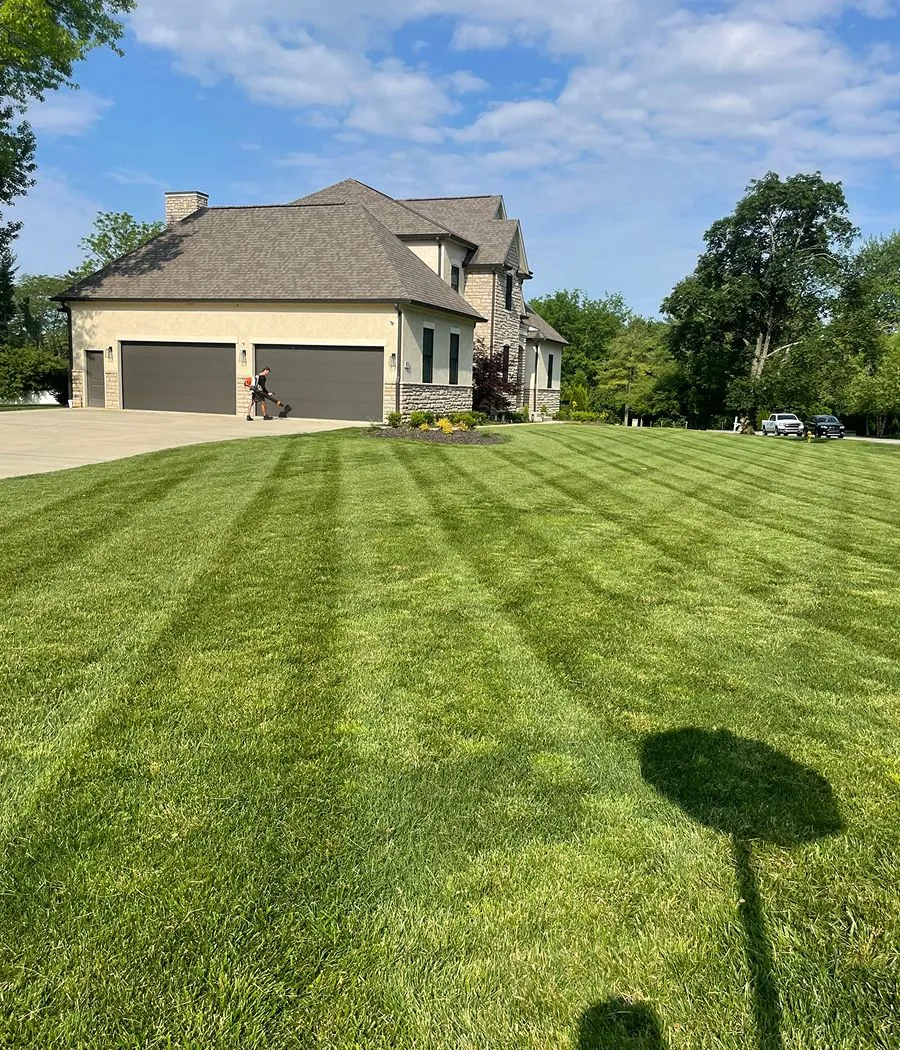
Your lawn is dormant, but there’s still work to do. Sharpen mower blades, change the oil, and replace spark plugs so you’re ready when growth begins. Review last year’s problem areas—bare spots, drainage issues, weed-heavy zones—and plan your spring attack. If you’re thinking about a core aeration or overseeding project, now is the time to get on a landscaper’s schedule before spring fills up.
March: First Mow & Pre-Emergent
Watch soil temperatures. When they hit 55°F consistently (usually mid-to-late March in Columbus), two things happen: your grass starts growing and crabgrass seeds begin germinating. This is your window to apply pre-emergent herbicide—it creates a barrier that stops crabgrass before it sprouts. Apply it before soil temps reach 55°F for best results.
Your first mow should happen once grass blades reach 3–4 inches. Set your deck to 3 inches and bag the clippings on this first cut to remove any debris and dead material that accumulated over winter.
April: Spring Ramp-Up
April is when Columbus lawns wake up in earnest. Begin your regular weekly mowing schedule and apply a balanced spring fertilizer (look for a 20-5-10 or similar ratio). If your lawn is severely compacted or you skipped fall aeration, a spring core aeration can help—though fall remains the gold standard for central Ohio.
This is also a great time for a thorough spring cleanup: clear remaining leaves, rake out thatch buildup, edge beds, and remove any winter storm debris.
May: Full Speed Ahead
Growth peaks in May. Mow weekly at 3–3.5 inches, mulching clippings back into the lawn to return nitrogen to the soil. Refresh your landscape beds with 2–3 inches of mulch—it suppresses weeds, retains moisture, and gives your property a clean, finished look. Start your irrigation system and check all heads for proper coverage.
June & July: Beat the Heat
As temperatures climb into the 80s and 90s, cool-season grasses slow down and become vulnerable to heat stress. Raise your mowing height to 3.5–4 inches—taller grass shades the soil, retains moisture, and crowds out weeds. Reduce mowing frequency to every 10–14 days if growth stalls.
Water deeply: one inch per week (including rainfall), applied in two to three early-morning sessions. Avoid watering in the evening, which promotes fungal diseases. If your lawn goes dormant and turns brown during a dry spell, that’s normal for cool-season grass—it will recover when temperatures drop and rain returns.
August: Prep for Fall Renovation
Continue the high-mow, deep-water strategy. Late August is the time to plan your fall renovation: schedule core aeration and purchase quality grass seed. If you’re overseeding, stop applying any weed control products at least four weeks before seeding so they don’t inhibit germination.
September: The Most Important Month
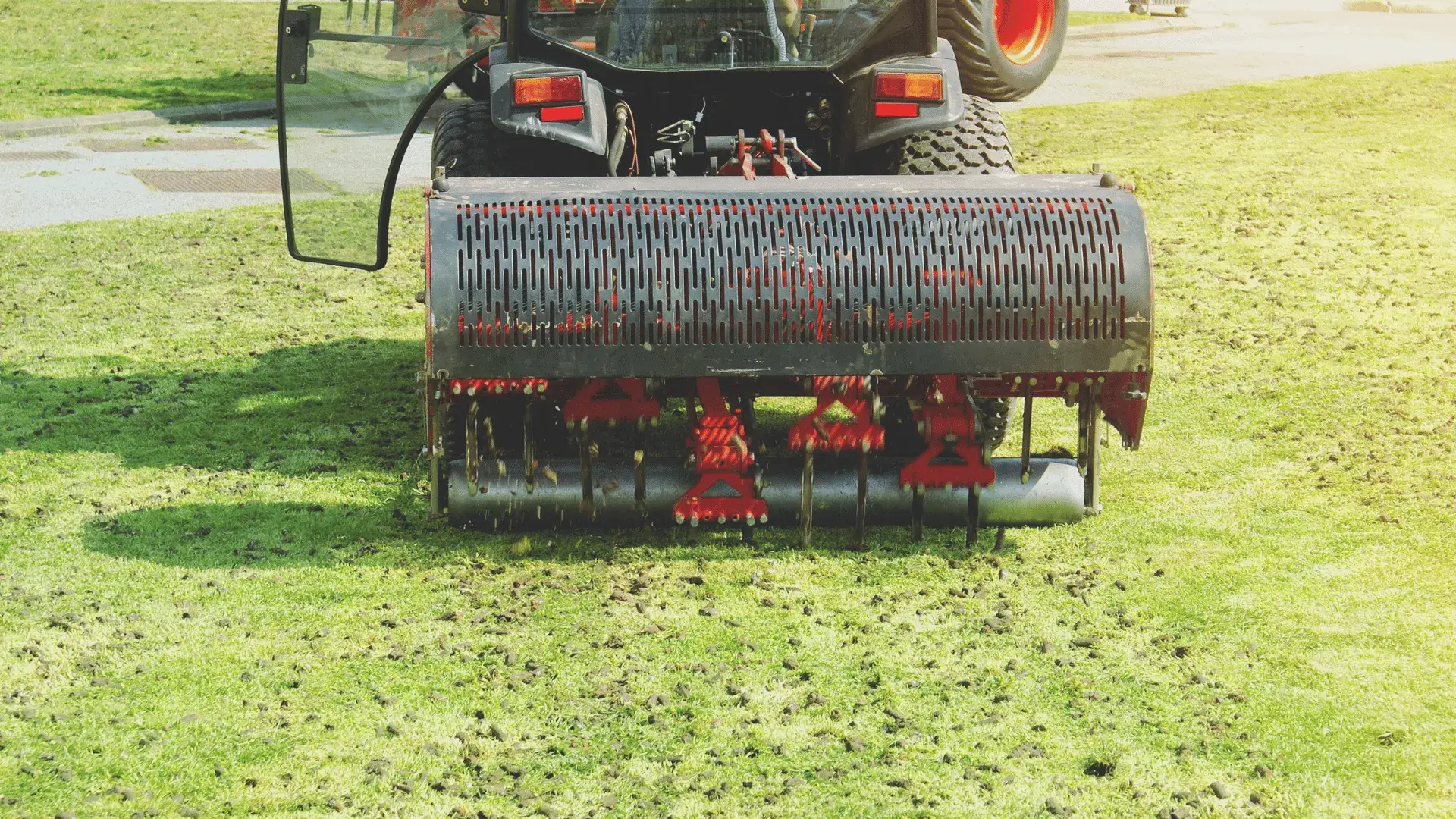
September is the single best month for lawn improvement in Columbus. Soil temperatures are still warm (promoting seed germination), air temperatures are cooling (reducing stress), and fall rains provide natural irrigation. This is when you should:
- Core aerate to relieve clay soil compaction
- Overseed with a quality cool-season blend (Kentucky Bluegrass + Tall Fescue + Perennial Ryegrass)
- Apply fall fertilizer (high nitrogen, something like 24-0-6) to fuel root growth heading into winter
This three-step combination—aerate, overseed, fertilize—is the most impactful thing you can do for a Columbus lawn all year.
October: Fall Cleanup & Final Fertilization
Leaves start falling heavily across central Ohio by mid-October. Stay on top of leaf removal—a thick layer of leaves blocks sunlight and traps moisture, which leads to snow mold and dead patches. Mulch-mow thin leaf layers; bag and remove heavy accumulations.
Apply a winterizer fertilizer in late October or early November. This final feeding strengthens roots through winter and gives your lawn a head start in spring.
November: Closing Down
Perform your final mow of the season at 2.5–3 inches—slightly shorter than summer height to reduce the risk of snow mold. Winterize your irrigation system by blowing out the lines (or hire a pro). Clean, sharpen, and store your mower and other equipment properly.
December: Rest & Plan
Your lawn is fully dormant. Stay off frozen grass to avoid damage. Handle snow removal carefully—avoid piling salt-heavy snow onto lawn areas, as road salt can burn turf. Use this downtime to research improvements for next season and lock in contracts with your landscaping provider early.
Mowing Best Practices for Columbus Lawns
Mowing is the most frequent lawn care task and the one that has the biggest impact when done correctly—or incorrectly. Here are the essentials:
Mowing Height by Grass Type
- Kentucky Bluegrass: 3–3.5 inches (raise to 4 inches in summer heat)
- Tall Fescue: 2.5–3.5 inches (tolerates slightly lower cuts)
- Perennial Ryegrass: 2.5–3 inches
- Bluegrass/Fescue blend (most common): 3–3.5 inches year-round, 3.5–4 inches June through August
The One-Third Rule
Never remove more than one-third of the grass blade in a single mowing. Cutting too short (“scalping”) shocks the plant, weakens roots, and opens the door for weeds. If your lawn got away from you during a rainy week, raise the deck and make two passes over several days rather than hacking it all at once.
Mowing Frequency
- Spring (April–May): Weekly — growth is at its peak
- Summer (June–August): Every 10–14 days — growth slows in heat
- Fall (September–October): Weekly — growth picks back up
- Late fall (November): As needed until dormancy
Mulching vs. Bagging
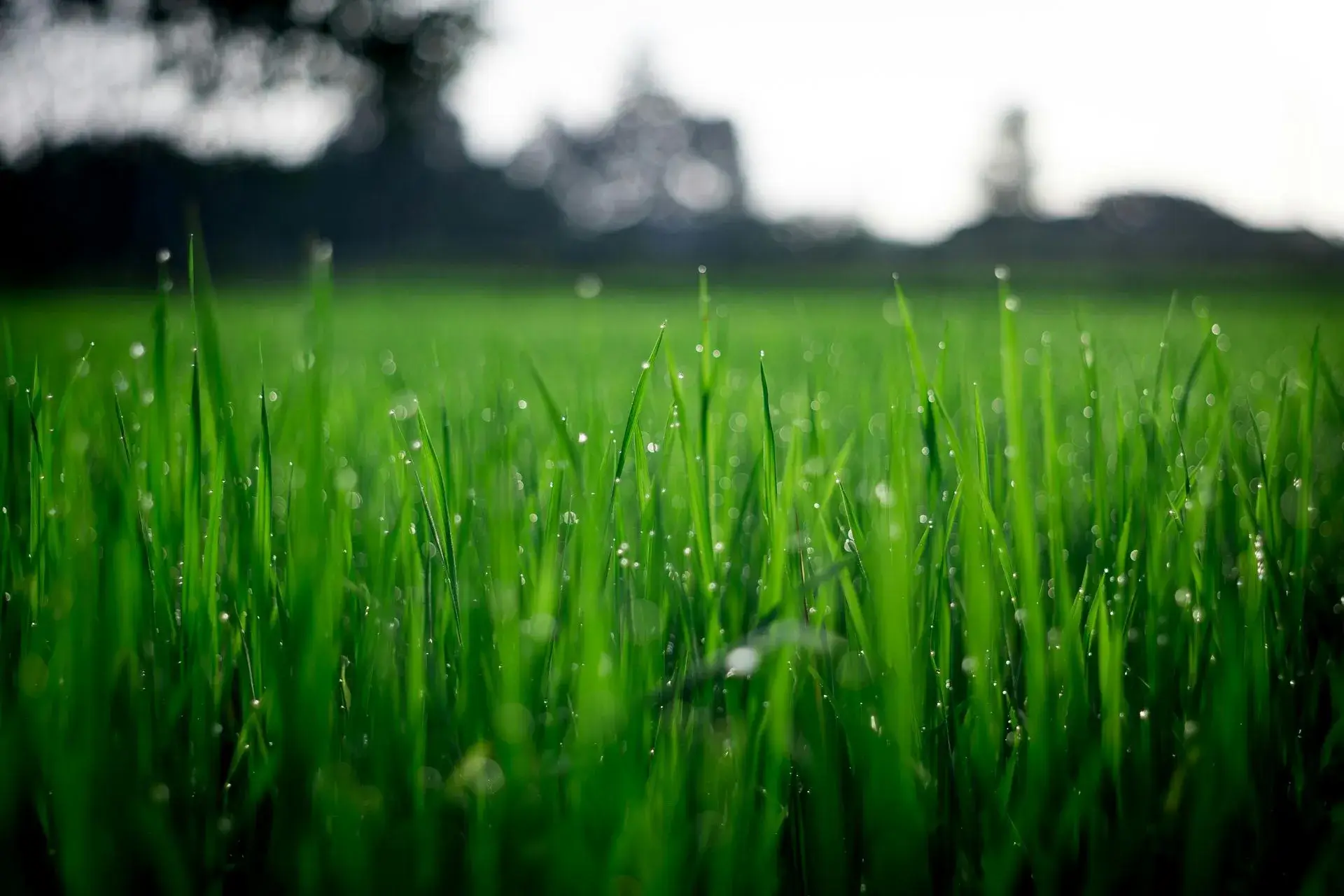
Mulch your clippings whenever possible. Mulched clippings decompose quickly and return nitrogen, potassium, and phosphorus to the soil—essentially a free, slow-release fertilizer. Only bag when clippings are excessively thick (after missing a mow) or when mowing over heavy leaf cover in fall.
Common Columbus Lawn Problems
Grubs
White grubs (larvae of Japanese beetles and June bugs) feed on grass roots from late summer through fall. Signs include spongy turf that peels back like carpet and increased raccoon or skunk digging. If you find more than 10 grubs per square foot, treatment is warranted. Preventive grub control applied in June or July is more effective than curative treatment after damage appears.
Crabgrass
Crabgrass is an annual weed that germinates when soil temperatures reach 55°F—usually mid-March in Columbus. Pre-emergent herbicide applied before germination is the most effective defense. Once crabgrass is established, it’s difficult to remove without damaging desirable grass. A thick, healthy lawn at the proper mowing height is your best long-term prevention.
Brown Patch (Rhizoctonia)
This fungal disease thrives in hot, humid conditions—exactly what Columbus delivers in July and August. It appears as circular brown patches 6 inches to several feet across with a darker “smoke ring” border. Reduce risk by watering in the morning, avoiding excess nitrogen in summer, and improving air circulation by not mowing when grass is wet.
Compacted Clay Soil
Franklin County soil is predominantly clay, which compacts under foot traffic, mower weight, and rain. Compacted soil prevents water, air, and nutrients from reaching roots. Annual core aeration is the primary remedy. Over time, top-dressing with compost after aeration gradually improves soil structure.
Shade Challenges
Columbus neighborhoods like Clintonville, Bexley, and Upper Arlington have mature tree canopies that create heavy shade. Standard Kentucky Bluegrass struggles below 4–6 hours of direct sun. In shady areas, switch to a Fine Fescue blend (creeping red fescue, chewings fescue) which tolerates shade well, or consider ground cover alternatives for the deepest shade.

Summer Dormancy
When temperatures exceed 85°F for extended periods and rainfall is scarce, cool-season grasses go dormant and turn brown. This is a survival mechanism, not death. Avoid the temptation to fertilize or aggressively water a dormant lawn—light watering (half inch every two weeks) keeps crowns alive without forcing growth in stressful conditions. The lawn will green up naturally when fall arrives.
Essential Lawn Care Services
Whether you handle lawn care yourself or hire a professional, these are the core services every Columbus lawn needs:
- Regular Mowing: Weekly during active growth (spring and fall), reduced frequency in summer. Proper height and sharp blades make all the difference.
- Core Aeration: Annual aeration in September breaks up compacted clay soil and improves root development. The single most underrated service for Ohio lawns.
- Overseeding: Paired with aeration in fall, overseeding fills thin spots, introduces improved grass varieties, and thickens your lawn’s canopy to crowd out weeds.
- Mulch Installation: Fresh mulch in spring suppresses weeds, retains soil moisture, and creates clean edges that make the whole property look sharper.
- Spring & Fall Cleanup: Removing leaves, debris, and dead material at the start and end of each season prevents disease and sets your lawn up for healthy growth.
- Fertilization: A 3–4 application program (early spring, late spring, early fall, late fall winterizer) provides balanced nutrition throughout the growing season.
DIY vs. Professional Lawn Care: When to Hire a Pro
Many Columbus homeowners handle basic mowing themselves and hire professionals for specialized services. Here’s how to think about it:
Good DIY Candidates
- Weekly mowing (if you have the time and equipment)
- Basic watering and irrigation monitoring
- Simple weed pulling and spot treatments
- Light leaf cleanup
Best Left to Professionals
- Core aeration: Requires a heavy, specialized machine. Rental is possible but the machines are difficult to transport and operate.
- Overseeding: Proper seed-to-soil contact, correct seed blend selection, and starter fertilizer timing make professional results noticeably better.
- Fertilization programs: Getting the right product, rate, and timing wrong can burn your lawn or waste money. Professionals know what central Ohio soil needs.
- Grub and disease treatment: Misidentifying the problem leads to ineffective (and expensive) treatments.
- Large-scale cleanups: Fall leaf volume in Columbus can be staggering. Professional crews with commercial blowers and vacuums handle in hours what takes homeowners entire weekends.
The Time Factor
A typical Columbus homeowner spends 4–6 hours per week on lawn care during peak season. Over a 30-week growing season, that’s 120–180 hours per year—not including equipment maintenance, supply runs, and the learning curve. Professional mowing services start at around $35–$60 per visit, and many homeowners find the time savings alone justify the investment.
How Grounded Landscaping Can Help
At Grounded Landscaping, we’ve been helping Columbus homeowners achieve healthier, better-looking lawns with reliable, professional service. We offer comprehensive lawn care including weekly mowing, core aeration, overseeding, mulch installation, and seasonal cleanups—everything your lawn needs from March through November.
We serve homeowners across Columbus, Dublin, Upper Arlington, Worthington, Westerville, Powell, New Albany, Grandview Heights, Clintonville, Bexley, and German Village. Whether you need weekly maintenance or a one-time fall renovation, we’ll put together a plan that fits your property and budget.
Ready to take lawn care off your to-do list? Request your free estimate or call us at (614) 674-1839 to get started.
Frequently Asked Questions About Lawn Care in Columbus
When should I start mowing my lawn in Columbus, Ohio?
In Columbus, the first mow of the season typically happens in mid-to-late March, once soil temperatures consistently reach 55°F and grass blades are 3–4 inches tall. Keep an eye on local forecasts—some years a warm February pushes early growth, while late frosts can delay things into early April.
What type of grass grows best in Columbus, Ohio?
Columbus sits in USDA Zone 6a, which is ideal for cool-season grasses. Kentucky Bluegrass, Tall Fescue, and Perennial Ryegrass are the most common and perform well through our hot summers and cold winters. A blend of all three is often the best approach for a resilient, year-round lawn.
How often should I water my lawn during a Columbus summer?
Most Columbus lawns need about one inch of water per week during summer, including rainfall. Water deeply two to three times per week in the early morning (before 10 a.m.) rather than lightly every day. This encourages deep root growth and helps your lawn survive July and August heat.
Is core aeration necessary for Columbus lawns?
Yes. Central Ohio’s heavy clay soil compacts easily, which restricts root growth, water infiltration, and nutrient absorption. Core aeration—ideally done in September—pulls small plugs of soil to relieve compaction. Paired with overseeding, it’s the single most effective service for thickening a thin or struggling Columbus lawn.
How much does professional lawn care cost in Columbus?
Weekly mowing for an average Columbus yard (5,000–10,000 sq ft) typically runs $35–$60 per visit. Core aeration averages $125–$200, and a full spring or fall cleanup ranges from $150–$350 depending on lot size and leaf volume. Many homeowners find that bundling services with a single provider saves 15–20% over hiring individually.
Related Services
- Lawn Mowing Services — Weekly and bi-weekly mowing for Columbus homeowners
- Core Aeration — Break up compacted clay soil and promote root growth
- Mulch Installation — Fresh mulch for clean beds and weed suppression
- Spring & Fall Cleanup — Seasonal debris removal and lawn prep
- Contact Us — Request your free estimate today